
October 13, 2026
Could a neighbouring tenant be making your property harder to rent?
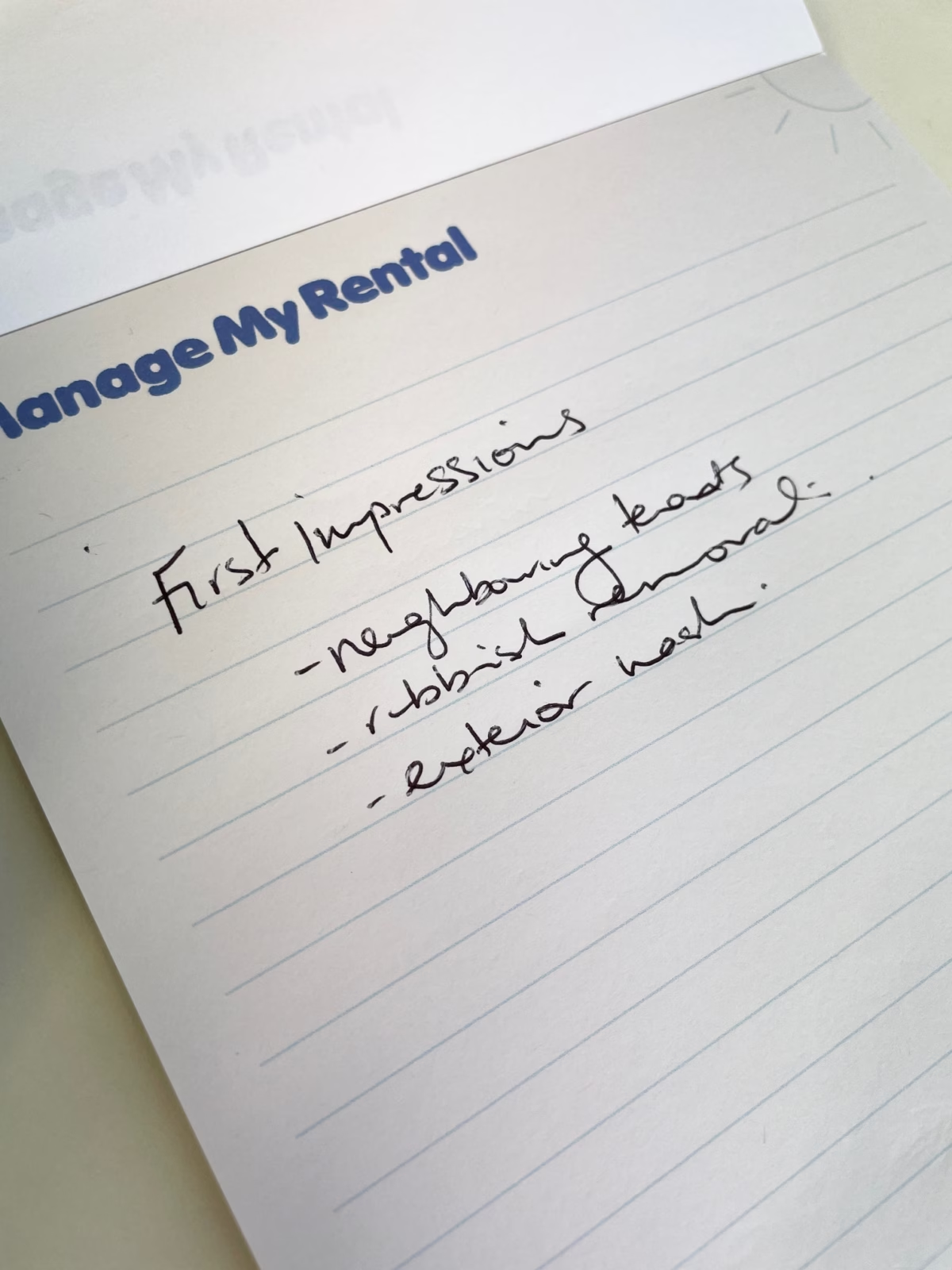
“What are the neighbours like?”
It is a question prospective tenants are asking more often in today’s rental market.
With more properties to choose from, tenants are looking beyond the number of bedrooms, weekly rent and condition of the home. They are also considering the wider living environment, including neighbouring properties, shared accessways and who they may be living alongside.
A property that should have been attracting interest
We were recently asked to visit a Wellington rental property that had been vacant for several months. The property was managed by another company, the asking rent had already been reduced and, on paper, it should have been attracting interest.
There were several presentation issues to address, but one factor stood out: the neighbouring tenancy.
The two rentals were owned by the same investor and managed by the same company. Prospective tenants had to pass the neighbouring property to reach the vacant home, and a significant amount of rubbish and other belongings was spread across the frontage.
Although these items did not belong to the vacant property, prospective tenants were unlikely to separate the two. They would simply form an impression of the overall environment before stepping inside the available home.
Why the surrounding presentation matters
First impressions begin at the street, not at the front door.
An untidy neighbouring property or shared area can make prospective tenants question:
What the neighbours may be like
Whether shared areas will be respected
How well the wider property is managed
Whether they will feel comfortable living there
This can be particularly influential when homes are closely connected or share an entrance, driveway, outdoor area or common accessway.
Managing connected tenancies
Owners cannot control every neighbouring property. However, this situation was different because both rentals had the same owner and management company.
Where properties are closely connected, the condition of one tenancy can directly affect the appeal and rental performance of another.
Regular inspections and clear communication provide an opportunity to identify issues with rubbish, grounds, shared spaces or general presentation. Where tenant responsibilities are not being met, these concerns should be addressed promptly and appropriately rather than waiting until another property needs to be re-let.
It is much harder to create a strong first impression at a vacant property if the surrounding tenancy has already been allowed to deteriorate.
Look beyond the vacant property
If a rental is attracting viewings but not applications, the condition of the home may not be the only issue.
Owners should also consider the approach to the property, neighbouring tenancies, shared areas and the feedback being provided by prospective tenants.
Reducing the rent may not solve the problem if people are being put off before they reach the front door.
Effective property management means managing the wider tenant experience, particularly when an owner has multiple properties in the same building or on the same site.
The condition of one tenancy should not be allowed to undermine the performance of another.
If your Wellington rental has been vacant longer than expected, Manage My Rental can provide a second opinion on its pricing, presentation and letting strategy.
Written by Lisa Nimmo
Property Consultant and Business Development Manager | Manage My Rental
Lisa Nimmo works with landlords throughout Wellington, Lower Hutt, Upper Hutt, Northern Suburbs and Porirua, providing rental appraisals and practical advice to help owners maximise returns, minimise risk and protect their investment properties.
Connect with Lisa on LinkedIn
Want to discuss your property management needs?
Book a free, no obligation chat today, or call us on 04 650 3197
