
September 22, 2026
How often should I inspect my rental property?
Recently, we’ve received several enquiries from landlords after some major insurance companies updated their policy requirements, stating that rental properties only need to be inspected every six months to meet the terms of their insurance policy.
The question we’ve been asked is:
“If my insurance company only requires inspections every six months, should I reduce the frequency of my property inspections?”
It’s a fair question.
While insurance requirements are certainly one factor to consider, they’re not the only reason routine inspections are important. In our experience, there are several good reasons why continuing to inspect a rental property every three months remains the best approach for most landlords.
This article is based on the questions we’re most often asked by landlords throughout the Wellington region and the advice we provide as part of our property management service.
Contents
- Why are insurance companies changing their inspection requirements?
- Does inspecting every six months provide enough protection?
- Why we recommend inspecting every three months
- Small maintenance issues don’t stay small for long
- Seasonal changes affect how tenants live in a property
- Preventative maintenance protects your investment
- Changes in occupancy
- How often should you inspect your rental property?
Why are insurance companies changing their inspection requirements?
Some insurers have recently changed their policy wording so that rental properties only need to be inspected every six months to maintain insurance cover.
This simply means that, from an insurance perspective, six-monthly inspections may be sufficient to satisfy the policy conditions.
However, insurance requirements represent the minimum standard required by the insurer. They shouldn’t necessarily determine what’s best for protecting your investment property.
Does inspecting every six months provide enough protection?
For many landlords, probably not.
A rental property is one of your largest financial assets. Waiting six months between inspections means small issues can go unnoticed for much longer, increasing the likelihood they’ll become larger and more expensive problems.
There are several reasons why we continue to recommend routine inspections every three months.
Why we recommend inspecting every three months
At Manage My Rental, we continue to recommend routine inspections every three months.
Small maintenance issues don’t stay small for long
One of the biggest benefits of regular inspections is identifying maintenance issues before they become costly repairs.
A slow water leak is a good example.
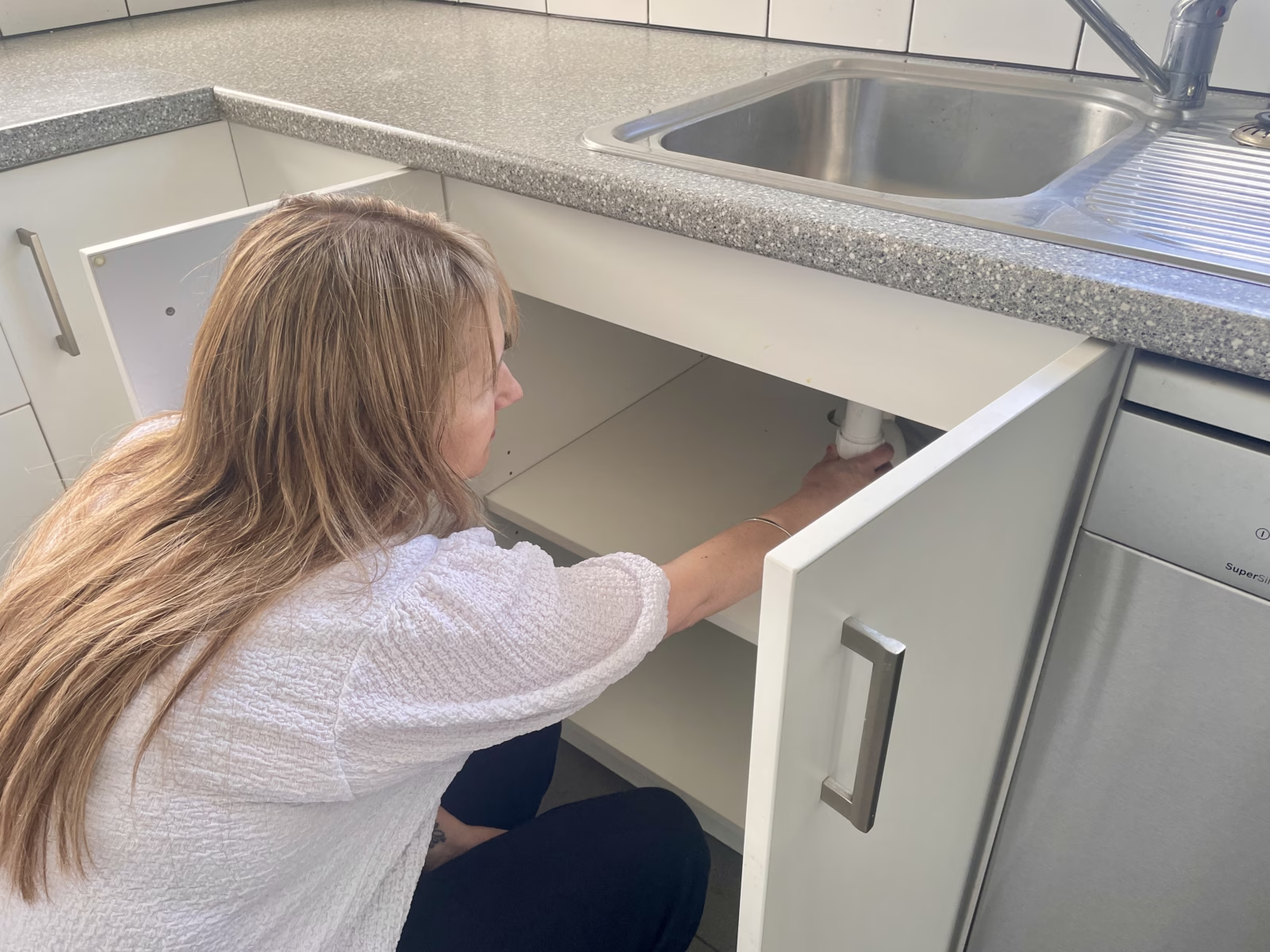
What may begin as a minor leak under a vanity or sink can, over several months, cause damage to flooring, cabinetry, wall linings or even structural timbers if it isn’t identified early.
The sooner problems are found, the easier and less expensive they are to fix.
Seasonal changes affect how tenants live in a property
Living patterns change throughout the year, particularly during Wellington winters.
As temperatures drop, it’s common for tenants to keep windows closed, dry clothes indoors and use heating differently than they do during summer.
Routine inspections provide an opportunity to remind tenants about simple habits that help protect the property, including:
- Opening curtains and blinds during the day.
- Ventilating the property regularly.
- Using extractor fans when cooking or showering.
- Heating the home appropriately.
- Reporting maintenance issues before they become more serious.
These conversations help protect both the property and the tenant’s living environment.
Preventative maintenance protects your investment
Routine inspections are one of the best tools for identifying maintenance issues before they become expensive repairs.
Inside the property, we regularly look for things such as:
- Plumbing leaks before they cause significant damage.
- Early signs of moisture, condensation or mould.
- Heating and extractor fans that are no longer operating effectively.
- Ventilation issues that could affect the property’s condition over time.
Outside the property, inspections also allow us to identify issues that can easily go unnoticed, including:
- Gutters blocked with leaves.
- Overgrown vegetation affecting drainage.
- Slippery or damaged pathways.
- Exterior maintenance beginning to deteriorate.
- Fences or gates requiring repair.
Many of these issues develop gradually. Identifying them early helps protect the condition of the property, reduces the likelihood of more costly repairs and ensures Healthy Homes features continue to operate as intended throughout the tenancy.
Changes in occupancy
Routine inspections also help identify whether the people living at the property are the same people named on the tenancy agreement.
Sometimes friends or family members stay for extended periods. While there may be a perfectly reasonable explanation, it’s important for landlords to understand who is living at the property and whether the tenancy agreement still accurately reflects the occupants.
Addressing these situations early is generally much simpler than trying to resolve them months later.
How often should you inspect your rental property?
Every property is different, and landlords should always ensure they comply with both their insurance policy and current tenancy legislation.
However, insurance requirements establish the minimum standard needed to maintain cover. Our view is that inspection frequency should be determined by what’s best for protecting your investment, identifying maintenance early and maintaining regular contact with your tenants.
For most rental properties, that’s why we continue to recommend routine inspections every three months.
Rather than viewing inspections as simply an insurance requirement, we encourage landlords to see them as an important part of protecting the long-term condition and value of their investment.
If you’d like to understand more about how we carry out routine inspections or you’re considering changing the inspection frequency for your rental property, we’d be happy to have a chat.
Written by Lisa Nimmo
Property Consultant and Business Development Manager | Manage My Rental
Lisa Nimmo works with landlords throughout Wellington, Lower Hutt, Upper Hutt and Porirua, providing rental appraisals and practical advice to help owners maximise returns, minimise risk and protect their investment properties.
Connect with Lisa on LinkedIn
Want to discuss your property management needs?
Book a free, no obligation chat today, or call us on 04 650 3197
