
July 14, 2026
Should I buy this property? What smart investors look at before they buy
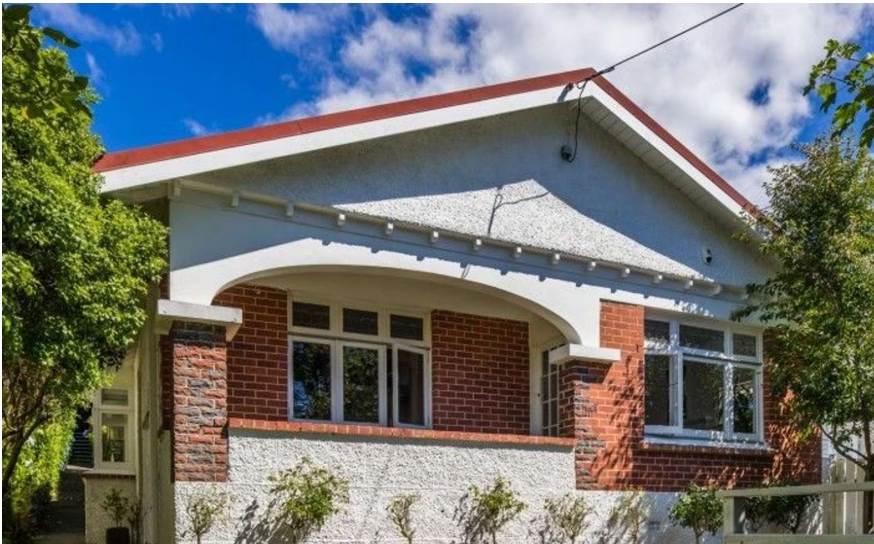
Before purchasing an investment property, many investors focus on one key question: “What rent will this property achieve?”
Rental income is certainly important, and rental appraisals can provide valuable guidance when assessing a property’s potential return. However, successful property investment is a long-term strategy, and the best investors look beyond headline rental figures to understand both the opportunities and challenges in the current market.
The reality is that market conditions can have a significant impact on your cashflow in the short term, particularly during your first year of ownership. Here are some important considerations we encourage investors to think about before committing to a purchase.
Understand the Current Rental Market
The rental market has shifted considerably over the past 12-18 months.
We’re currently seeing increased rental stock available across the market, while tenant demand has softened compared to previous years. This means tenants have more choice than ever before, and they’re taking the time to compare properties before making a decision.
For investors, this creates a more competitive environment where pricing, presentation, and property features matter more than they have for some time.
Good Tenants Know Their Value
One of the biggest changes we’re seeing is that high-quality tenants understand the value they bring.
Tenants with strong rental histories, excellent references, stable employment, and a proven track record of caring for properties know they are low-risk applicants. As a result, they’re often seeking the best possible value and are willing to continue searching until they find it.
Investors should be realistic about rental expectations and recognise that securing an excellent tenant at a slightly lower rent can often be more beneficial than chasing a higher rent and experiencing prolonged vacancy.
Factor Vacancy Into Your Numbers
One of the most overlooked costs when purchasing an investment property is vacancy.
Properties are generally taking longer to rent than they were a few years ago, meaning every week a property sits empty can have a significant impact on your first year’s return.
Before purchasing, consider negotiating settlement terms that help reduce this risk.
Questions worth asking include:
• Can the settlement period be adjusted to suit current market conditions?
• Will the vendor allow early access for rental advertising?
• Can the existing real estate marketing photos be used for rental advertising?
Being able to market the property before settlement can significantly reduce vacancy time and help secure a tenant sooner.
Don’t Assume Healthy Homes Compliance
Healthy Homes compliance should be confirmed before settlement wherever possible.
If compliance documentation isn’t available, consider arranging a Healthy Homes assessment during your due diligence period. Understanding any required upgrades before you take ownership can help you accurately budget for costs and avoid unexpected delays in legally offering the property for rent.
Knowing exactly what work is required allows you to move quickly once settlement occurs.
Think Carefully About Your Ideal Tenant
One of the most important questions investors can ask is:
“Who is most likely to want to live here?”
Different properties naturally appeal to different tenant groups, and understanding this can help you make a better purchasing decision.
Family Tenants
Family tenants are often viewed as a stable long-term option.
When assessing a property’s suitability for families, consider:
• Storage space
• Garaging
• Outdoor areas
• Space for bikes, sporting equipment, and family belongings
• Proximity to schools and community facilities
Families often stay longer, reducing turnover costs. However, household income may sometimes be based on one full-time income or a combination of one and a part-time income, which can influence affordability and achievable rent levels.
Professional Groups
Many Wellington region properties are well suited to groups of working professionals.
When evaluating these properties, bedroom size is increasingly important. Young professionals often spend more time working from home or relaxing in their own rooms than previous generations, making generous double bedrooms highly desirable.
Other sought-after features include:
• Off-street parking
• Modern heating
• Fast internet availability
• Low-maintenance living
• Proximity to public transport
Professional groups can often support higher rental levels because multiple incomes contribute to the rent. However, investors should also recognise that shared living arrangements can create different management considerations, including higher utility usage, increased visitor activity, and potentially greater wear and tear.
Students
Student tenants generally prioritise two things:
• Location
• Value for money
• Bedroom size
Properties located near tertiary institutions, public transport, and local amenities are often attractive to this market.
Students may be willing to compromise on certain features if the location is right, but affordability remains a key driver of decision-making.
Consider Features Through a Tenant’s Eyes
Not every property needs garaging, off-street parking, large bedrooms, or extensive storage.
However, every missing feature affects who the property appeals to and what rent it can realistically achieve.
A successful investment property isn’t necessarily the property with the most features—it’s the property that best meets the needs of its target tenant market.
The more closely a property’s features align with tenant expectations, the easier it becomes to attract quality applicants and minimise vacancy.
The Bottom Line
Property remains a long-term investment, and many successful investors build wealth through consistent growth over time rather than short-term gains.
However, in today’s market, understanding tenant demand, vacancy risk, compliance requirements, and tenant preferences is more important than ever.
Before committing to a purchase, it’s worth looking beyond the rental appraisal and asking how the property will compete against other rentals currently available to tenants.
The investors who take the time to understand their target market, plan for vacancy, and assess compliance requirements are often the ones best positioned to achieve strong long-term results.
Considering purchasing an investment property?
A professional rental appraisal can provide more than just an estimated rent. It can help identify potential risks, highlight tenant appeal, and provide valuable insight into how the property is likely to perform in the current rental market. Understanding these factors before you buy can help you make a more informed investment decision.
Written by Lisa Nimmo
Property Consultant and Business Development Manager | Manage My Rental
Lisa Nimmo works with landlords throughout Wellington, Lower Hutt, Upper Hutt and Porirua, providing rental appraisals and practical advice to help owners maximise returns, minimise risk and protect their investment properties.
Connect with Lisa on LinkedIn
Want to discuss your property management needs?
Book a free, no obligation chat today, or call us on 04 650 3197
